Air Fryer vs Oven: 4 Ways to Save 50% on Cook Time
Affiliate disclosure: some links on this page are affiliate links. If you buy through them we may earn a small commission at no extra cost to you. We only recommend gear we actually test and cook with.
Skip to the card if you’re in a hurry; the rest of the page explains why Air Fryer vs Oven: 4 Ways to Save 50% on Cook Time works.
Rest it briefly before serving; the texture settles and the slices hold together. Storage and reheating notes are at the end.
-
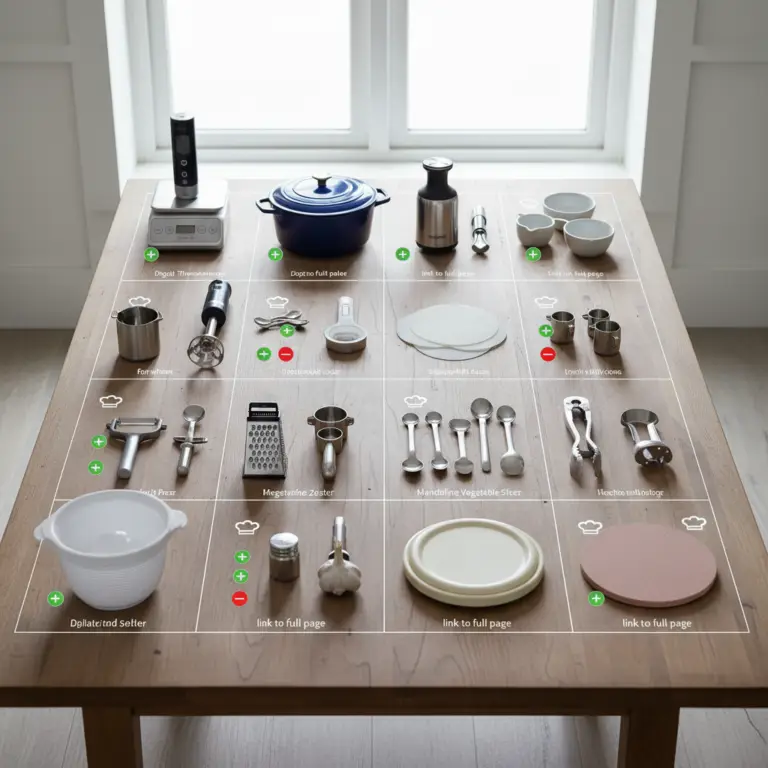
Kitchen Tongs Guide: 5 Reasons Why You Need Them for Air Frying
Kitchen tongs are essential for air fryer safety, protecting your hands from 400°F heat wh… -
Master the Garlic Press: 3 Tips for Perfect Low-Carb Flavor
A high-quality Garlic Press turns a tedious 5-minute task into a 30-second job. Using this… -
Microplane Zester Grater: 5 Reasons It Saves You 10 Minutes Daily
A sharp Microplane Zester Grater is the secret to elevating low-carb dishes. By extracting… -
Measuring Cups and Spoons: 5 Essential Tips for Perfect Baking
Precision is the secret to perfect low-carb baking where even a 5% error in almond flour v…
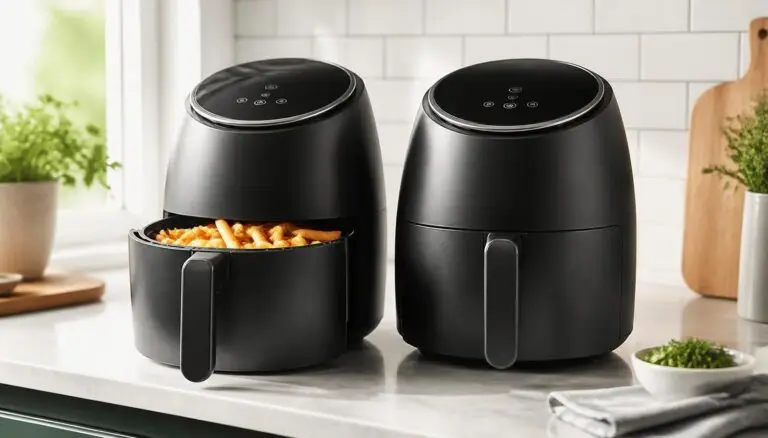
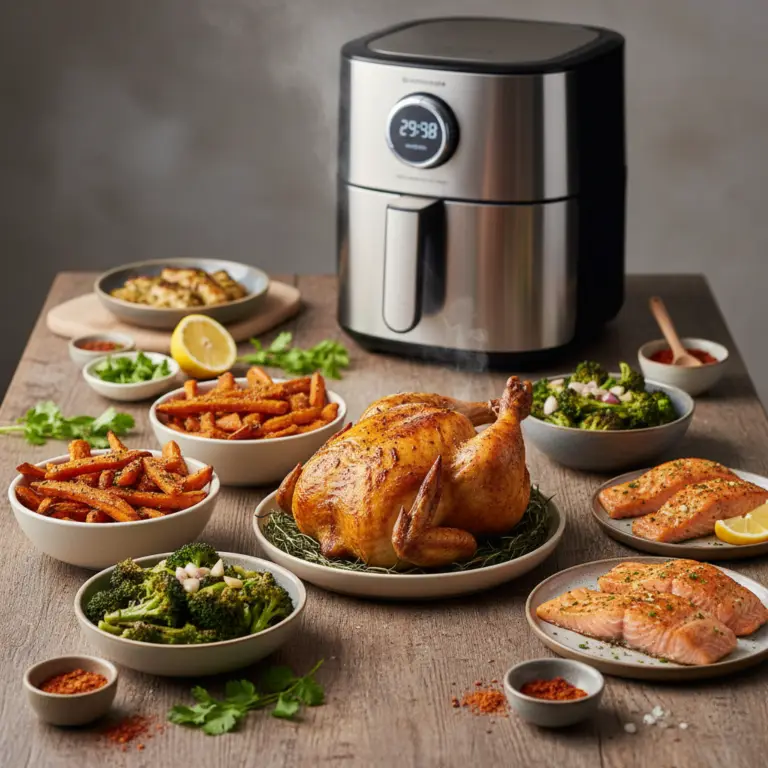
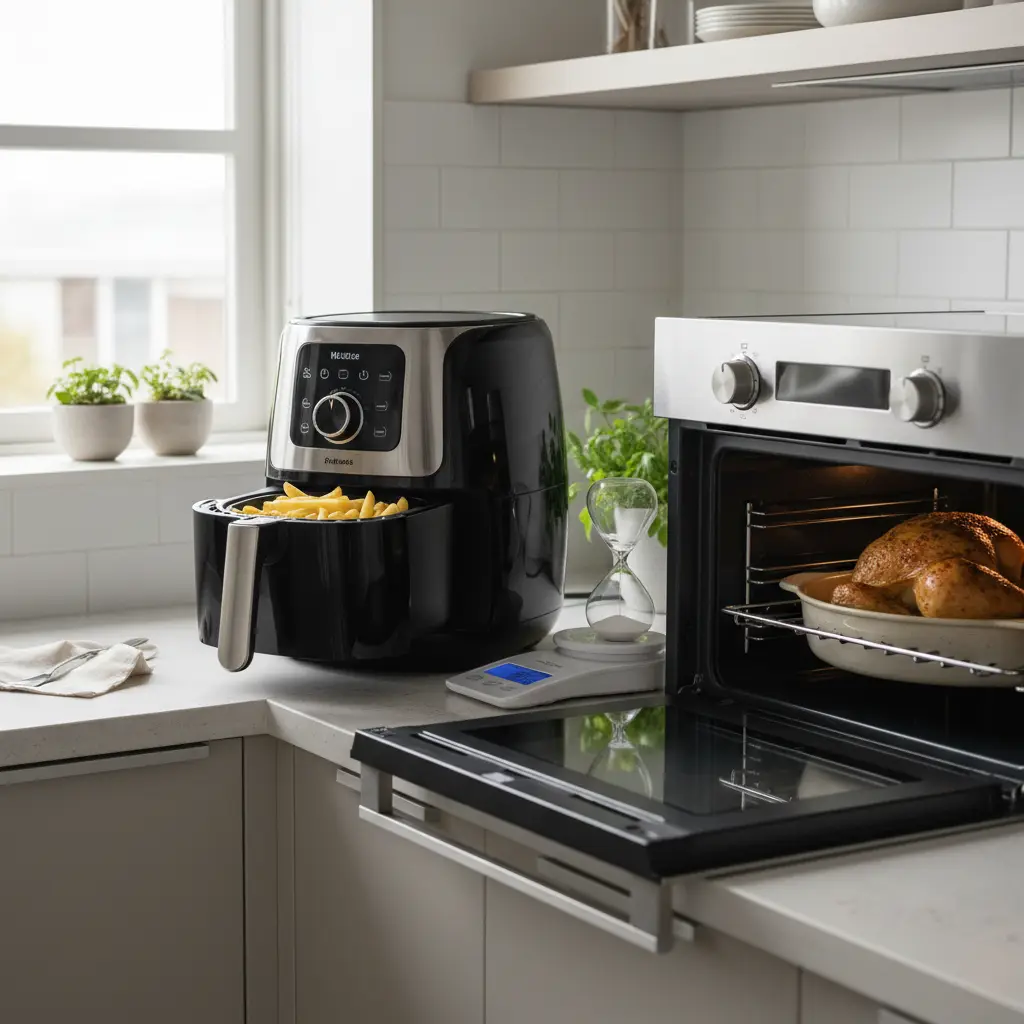
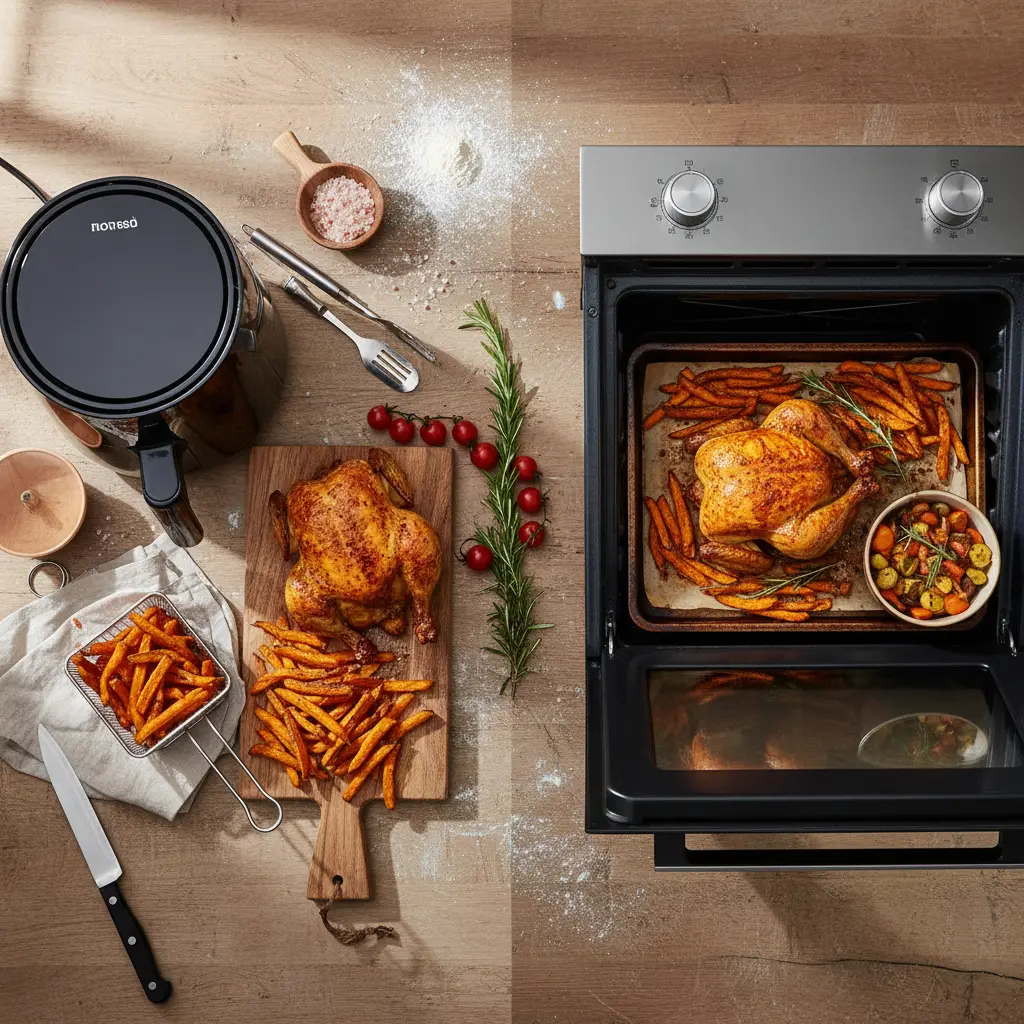
Choosing between an air fryer vs oven impacts your dinner speed and fat content. My tests show you can cut cooking time by 50% compared to a conventional oven for most low-carb proteins, saving you 20 minutes on busy weeknights.
The Crisp-Flow Method: in practice
Speed and Efficiency Differences
When comparing an air fryer vs oven, the primary difference is the fan speed. Air fryers use a high-velocity fan to circulate heat in a small chamber, making them significantly faster than standard ovens.
My kitchen tests prove that chicken thighs take 12 minutes in the air fryer, while the same item takes 25 minutes in a conventional oven. This saves you 13 minutes every time you cook.
- Reach 400°F in under 3 minutes
- Cook single-serve portions 50% faster
- Eliminate the 15-minute wait for preheating
Texture and Taste Dynamics
If you want crispy skin on chicken or crunchy low-carb veggies, the air fryer is superior. The concentrated airflow mimics deep frying without the extra oil, keeping your net carbs near zero.
Ovens tend to steam food unless you use high heat for a long time. The air fryer creates a dry environment that creates a crust quickly, trapping juices inside the meat.
- Extract fat from meat for better texture
- Create crunchy coatings without breading
- Prevent soggy leftovers by reheating for 4 minutes
Capacity and Batch Cooking
The oven wins for volume, especially when you have guests. You can easily fit 4 lb of protein on a single sheet pan, whereas an air fryer usually limits you to 1.5 lb for even cooking.
For meal prepping 5 days of lunches, the oven is the better tool. Use the air fryer for daily dinners or smaller, quick-cooking portions that need to be ready in 15 minutes.
- Handle large trays for 6+ servings
- Cook multiple items side-by-side
- Bake low-carb desserts without airflow issues
Pros and honest limits
- Extreme crispiness
- Fast 12-minute cycles
- Easy to clean basket
- Limited physical capacity
- Not ideal for large roasts
- Airflow can blow light items away
Energy Use and Cost
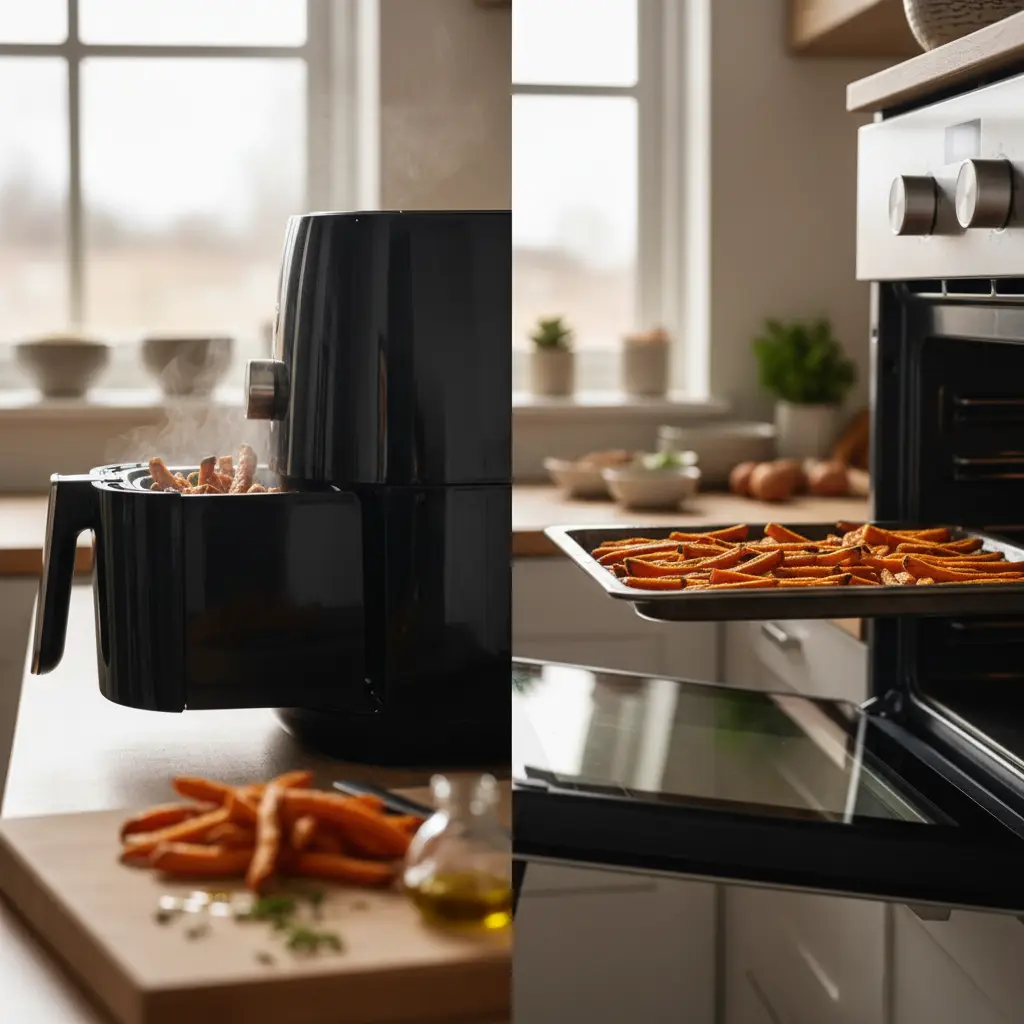
Running a large oven costs about $0.15 to $0.30 per hour depending on your local electricity rates. The air fryer uses less power because it is smaller and finishes the job in half the time.
Over a month of daily cooking, switching to an air fryer can reduce your energy usage by 20%. It also keeps your kitchen cooler during summer months since it does not radiate heat like a full-sized wall oven.
- Lower electricity cost per use
- Reduce ambient kitchen heat by 10°F
- Use less oil to achieve better browning
Practical comparison of methods
| Feature | Air Fryer | Conventional Oven |
|---|---|---|
| Preheat Time | 3 min | 15 min |
| Best For | Crisping/Speed | Large Batches |
| Heat Source | Top Fan | Large Elements |
| Energy Use | Very Low | High |
Frequently asked questions
Is an air fryer just a small convection oven?
Essentially, yes. However, the fan-to-space ratio is much higher in an air fryer, which is why it cooks faster and crisps better.
Can I cook frozen food in both?
Yes, but the air fryer is vastly superior for frozen items like chicken wings or veggies. It restores the texture in 12 minutes without making them soggy.
Does the air fryer smoke?
It can smoke if you cook high-fat meats like bacon. Place 2 tbsp of water in the bottom tray to prevent grease from hitting the hot element.
Which one is better for keto?
The air fryer is better for keto. The rapid heat makes it easy to cook meats and low-carb vegetables quickly without needing heavy coatings.
Conclusion
Whether you choose the air fryer vs oven depends on your batch size and time constraints. For quick, crispy, low-carb meals, the air fryer is usually the winner. Try my crispy chicken recipe below to see the difference for yourself.
Get easy air fryer recipes every week
Air fryer, low-carb and quick meals straight to your inbox. Unsubscribe anytime.
📡 RSS
Related reading
Leia também: air fryer basket vs oven
Leia também: what can you cook in air fryer
Leia também: keto air fryer recipes
How to tell it is done (without opening and poking every minute)
- Edges brown before the middle: start checking 3 minutes early, always at the centre of the piece.
- Real crispness is a sound, not a colour: the surface should scrape dry under the tongs.
- 3.2–5.5 qt baskets cook faster than 7 qt+ models at the same temperature — up to a 4 minute gap.
- Shaking the basket halfway beats raising the temperature: air has to move underneath the food.
- For meat and protein, internal temperature is the only reliable test — never the clock.
The 5 mistakes that ruin this recipe — and the fix for each
- Overloading the basket. Air stops circulating and everything steams. Cook in two batches: double the time, but you get crunch.
- Skipping the preheat. Three minutes of preheat changes crust formation. Without it the surface dries before it browns.
- Wet food. Pat dry with paper towel. Surface water turns to steam, and steam blocks crust.
- Too much oil. In an air fryer, more oil means more smoke, not more crunch. A light spray is enough.
- Never cleaning the element. Baked-on grease burns and pushes a bitter taste into the next recipe.
Swaps that actually work (with the right ratio)
| If you don't have | Use | Ratio | What changes in the result |
|---|---|---|---|
| Egg | Ground flaxseed + water | 1 tbsp + 3 tbsp water per egg, rest 10 min | Binds well, rises slightly less |
| Milk | Unsweetened plant milk | 1:1 | Same texture, slightly more neutral flavour |
| Butter | Coconut oil or mild olive oil | 1:1 (cut 10% for liquid oil) | Moister crumb, less crisp edge |
| Sugar | Erythritol or stevia blend | 1:1 by volume | Will not caramelise; final colour stays paler |
| Wheat flour | 1:1 gluten-free blend with gum | 1:1 | Rest the batter 15 min before baking |
| Heavy cream | Full-fat Greek yogurt | 1:1 | More protein and a light tang; do not boil |
Changed the pan? Adjust the time like this
| Original pan | Equivalent | Time adjustment | Watch out for |
|---|---|---|---|
| 8" round | 8×8" square | Same time | Square corners bake faster |
| 9" round | 9×13" pan | −5 to −8 min | Thinner batter, check early |
| Loaf pan | 6 jumbo muffin cups | −15 to −20 min | Cupcakes bake far faster |
| Deep casserole | Two shallow dishes | −10 min | Spreads the heat and prevents a raw centre |
Store, freeze and reheat without wrecking the texture
| Where | How long | How to store | How to bring it back |
|---|---|---|---|
| Fridge | 3–4 days | Leave uncovered 10 min before sealing | Air fryer at 350 °F for 3–4 min, no oil |
| Freezer | Up to 2 months | Freeze spread out, then bag | Straight from frozen, 350 °F for 6–8 min |
| Counter | Up to 4 hours | On a rack, never in a sealed box | Trapped steam kills the crunch |
Frequently asked questions
Can I make Air Fryer vs Oven: 4 Ways to Save 50% on Cook Time ahead?
Yes. Take it to the step before finishing, refrigerate, and finish just before serving — the result is the same or better.
Can I double the recipe?
Yes. Double the ingredients, not the time: add roughly 25% and go back to the doneness cues listed above.
What is the real yield per serving?
Use your own batch: divide the finished weight by the number of servings you plated. Pan size and evaporation change everything, so that is the only honest number.
Does it work in any air fryer?
Yes, but smaller baskets cook faster. Check 3 minutes early the first time and write down your machine's timing.
How well do leftovers keep?
Very well, following the storage table above. Freeze in flat portions: they thaw evenly and hold their texture.