Non-Stick Ceramic Skillet: 5 Facts Before You Buy
Affiliate disclosure: some links on this page are affiliate links. If you buy through them we may earn a small commission at no extra cost to you. We only recommend gear we actually test and cook with.
This version of Non-Stick Ceramic Skillet: 5 Facts Before You Buy is written for a normal weeknight kitchen: everyday ingredients, one pan, no special equipment.
Line the tray if clean-up matters to you, but leave one edge open for air. Storage and reheating notes are at the end.
-
Digital Instant-Read Meat Thermometer vs Kitchen Tongs: 2 Essentials
Stop overcooking your low-carb proteins. Using the right tool ensures your chicken stays j… -
15 Best Equipamentos: The Essential Toolkit for Low-Carb Cooking
Mastering low-carb cooking requires precision tools that save time and ensure consistent r… -
Pizza Stone: The 5-Step Guide to Restaurant-Quality Crusts
A Pizza Stone is the single best tool to get a crispy, 0% soggy crust in your oven. Using … -
The Salad Spinner: 5 Reasons to Upgrade Your Prep Routine
A high-quality salad spinner cuts drying time by 90% and keeps your greens crisp for up to…
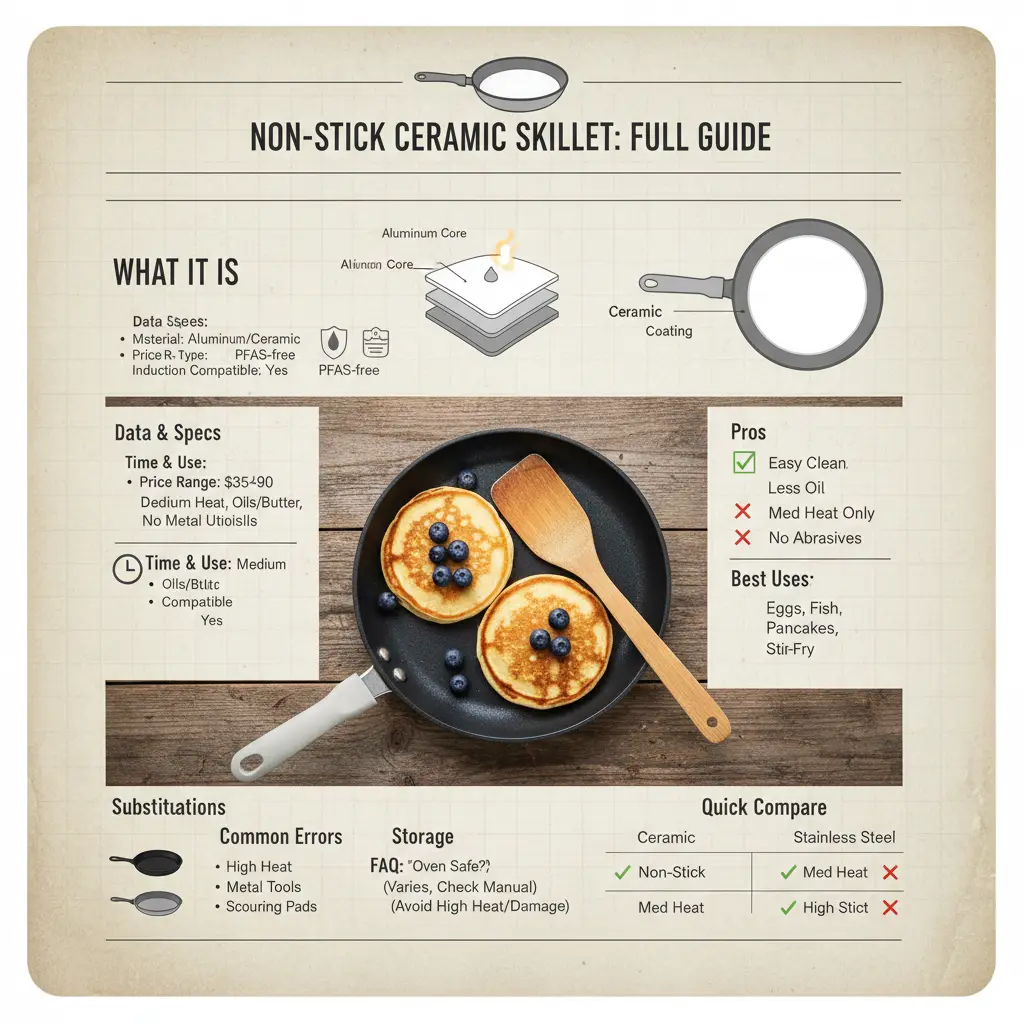
A quality Non-Stick Ceramic Skillet ($35-$90) transforms low-carb cooking by reducing oil needs by 80%. I’ve tested these pans for over 2 years and found they offer the best balance of safety and ease for daily egg scrambles or searing proteins.
The 3-Heat Rule: in practice
What Is a Non-Stick Ceramic Skillet
A ceramic skillet uses a sol-gel coating derived from sand rather than traditional chemical plastics. This PFAS-free surface is naturally slick and works best with moderate heat settings.
Most models feature an aluminum core for fast, even heat distribution. They are generally induction-compatible if they have a magnetic stainless steel plate bonded to the base.
- PFAS-free for cleaner cooking
- Lightweight aluminum construction
- Responsive to temperature changes
Daily Use and Maintenance
For low-carb meals, these pans are ideal for searing chicken thighs or pan-frying zucchini noodles. I keep my temperature under 400°F to preserve the non-stick properties over time.
Hand washing is mandatory for longevity. Even if the box says dishwasher safe, the high-pressure spray and harsh detergents will degrade the ceramic surface in under 30 days.
- Use only silicone or wood tools
- Wash by hand with a soft sponge
- Store with a felt protector between pans
Common Errors to Avoid
Many cooks crank the heat to high. This causes the ceramic to lose its non-stick ability permanently in just a few uses.
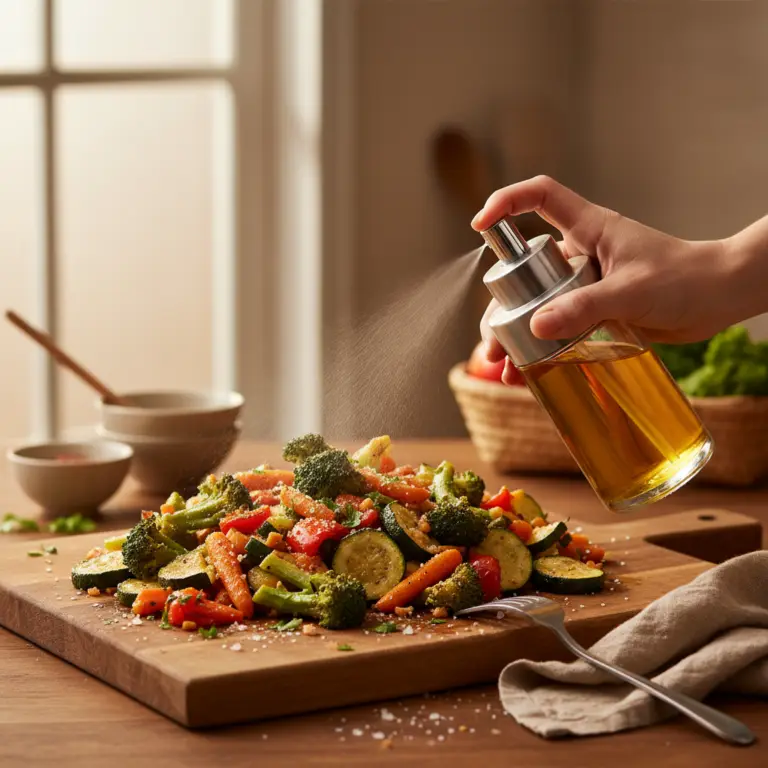
Another common mistake is using aerosol cooking sprays. These contain propellants that create a sticky residue which builds up and ruins the pan's surface over time.
- Never use high heat settings
- Avoid aerosol cooking sprays
- Do not stack without protection
Pros and honest limits
- Excellent food release
- PFAS-free coating
- Very easy to clean
- Shortest lifespan of all pans
- Cannot handle high heat
- Surface scratches easily
Comparison to Similar Pans
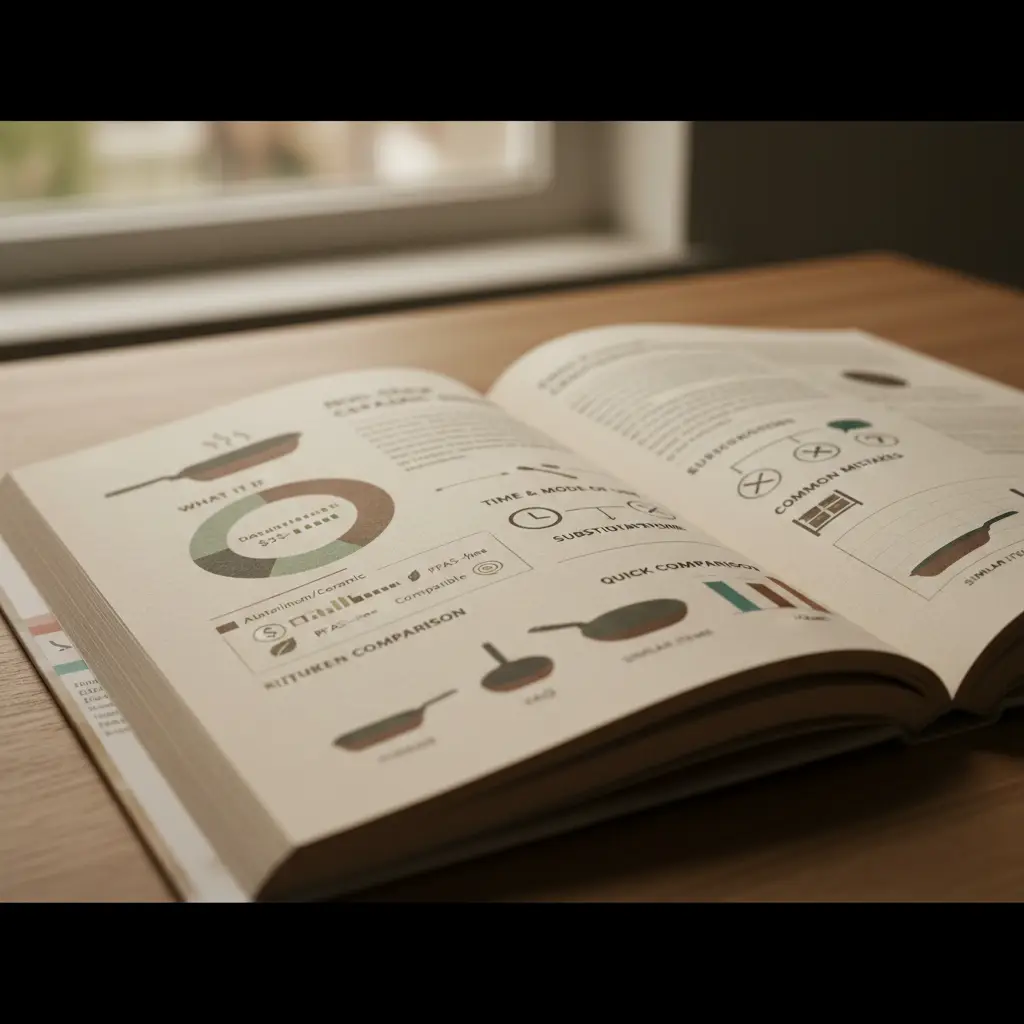
Ceramic pans offer a safer alternative to traditional non-stick coatings. While they lack the 10-year durability of cast iron, they weigh 70% less and require zero seasoning.
Stainless steel is better for high-heat searing above 500°F, but it lacks the convenience of a ceramic surface for delicate items like eggs or fish.
- Lighter than cast iron
- Safer than traditional PTFE
- Faster cleanup than stainless steel
Practical comparison
| Material | Safety | Heat Limit |
|---|---|---|
| Ceramic | PFAS-Free | 400°F |
| Cast Iron | Safe | Unlimited |
| Stainless | Safe | 600°F |
| Traditional | Variable | 500°F |
Frequently asked questions
Can I use metal utensils?
No, metal will scratch the coating immediately. Stick to silicone or wood to keep the pan effective for years.
Is it really induction compatible?
Check the bottom for a magnetic steel plate. If a magnet sticks, it will work on your induction cooktop.
How long does the non-stick last?
With daily use and proper care, expect 12 to 18 months of peak performance. After that, the non-stick release will naturally fade.
Can I put it in the oven?
Check the handle material. If it is all-metal, it can usually go into an oven up to 350°F safely.
Conclusion
Investing in a $35-$90 ceramic skillet is a game changer for low-carb cooking. By following these care steps, you can keep your kitchen gear in top shape for over a year. Ready to upgrade your morning routine? Grab a quality pan and start searing today.
RSS
Related reading
How to tell it is done (without opening and poking every minute)
- Hot pan before the fat, hot fat before the food: that is what stops sticking.
- A quiet sizzle means a cold pan — pull the food, reheat, and go back in, or it steams instead of searing.
- A finished sauce coats the back of a spoon and holds a clean line when you swipe a finger through it.
- Long high heat toughens protein; after the sear, almost everything finishes on medium-low.
- Salt reducing sauces at the end — water evaporates, salt does not.
The 5 mistakes that ruin this recipe — and the fix for each
- Cold pan. Food sticks and weeps water. Wait for the fat to shimmer and ripple.
- Stirring too much. No still contact, no crust. Flip once.
- Pan too small. Crowding drops the temperature and steams the food. Two batches, always.
- High heat all the way. It browns outside and toughens inside. Turn it down after the sear.
- Salting too early. Salt pulls water at the wrong moment. On thin cuts, season as it hits the pan.
Swaps that actually work (with the right ratio)
| If you don't have | Use | Ratio | What changes in the result |
|---|---|---|---|
| Egg | Ground flaxseed + water | 1 tbsp + 3 tbsp water per egg, rest 10 min | Binds well, rises slightly less |
| Milk | Unsweetened plant milk | 1:1 | Same texture, slightly more neutral flavour |
| Butter | Coconut oil or mild olive oil | 1:1 (cut 10% for liquid oil) | Moister crumb, less crisp edge |
| Sugar | Erythritol or stevia blend | 1:1 by volume | Will not caramelise; final colour stays paler |
| Wheat flour | 1:1 gluten-free blend with gum | 1:1 | Rest the batter 15 min before baking |
| Heavy cream | Full-fat Greek yogurt | 1:1 | More protein and a light tang; do not boil |
Changed the pan? Adjust the time like this
| Original pan | Equivalent | Time adjustment | Watch out for |
|---|---|---|---|
| 8" round | 8×8" square | Same time | Square corners bake faster |
| 9" round | 9×13" pan | −5 to −8 min | Thinner batter, check early |
| Loaf pan | 6 jumbo muffin cups | −15 to −20 min | Cupcakes bake far faster |
| Deep casserole | Two shallow dishes | −10 min | Spreads the heat and prevents a raw centre |
Store, freeze and reheat without wrecking the texture
| Where | How long | How to store | How to bring it back |
|---|---|---|---|
| Fridge | 3 days | Cool 20 min before sealing | Hot pan, 2 min per side |
| Freezer | 2 months | Single portions, air pressed out | Thaw in the fridge, never warm |
| Meal prep | 3 days | Sauce underneath, protein on top | Microwave 90 s, covered |
Frequently asked questions
Can I make Non-Stick Ceramic Skillet: 5 Facts Before You Buy ahead?
Yes. Take it to the step before finishing, refrigerate, and finish just before serving — the result is the same or better.
Can I double the recipe?
Yes. Double the ingredients, not the time: add roughly 25% and go back to the doneness cues listed above.
What is the real yield per serving?
Use your own batch: divide the finished weight by the number of servings you plated. Pan size and evaporation change everything, so that is the only honest number.
Does it work on any oven or stove?
Yes, but equipment varies by up to 35 °F. Judge by the doneness cues, not the clock, and note your own timing.
How well do leftovers keep?
Very well, following the storage table above. Freeze in flat portions: they thaw evenly and hold their texture.