Air Fryer Thermometer for Perfect Steak: 3 Steps to Mastery
Cheap ingredients, one bowl, and a result that tastes deliberate: that’s the idea behind Air Fryer Thermometer for Perfect Steak: 3 Steps to Mastery.
Line the tray if clean-up matters to you, but leave one edge open for air. Scale it up or down with the conversion table further down.
-
Digital Instant-Read Meat Thermometer vs Fine Mesh Strainer: The 2 Must-Haves
Stop guessing if your chicken is safe or if your almond flour sauce is smooth. These two t… -
Digital Instant-Read Meat Thermometer vs Citrus Juicer: 2 Tools
Choosing between a digital instant-read meat thermometer vs citrus juicer depends on your … -
Digital Instant-Read Meat Thermometer vs Non-Stick Ceramic Skillet
Stop overcooking your low-carb meals by 15% every week. Choosing between a digital meat th… -
Digital Instant-Read Meat Thermometer vs Salad Spinner: 2 Tools Compared
Choosing between a digital instant-read meat thermometer vs salad spinner determines if yo…
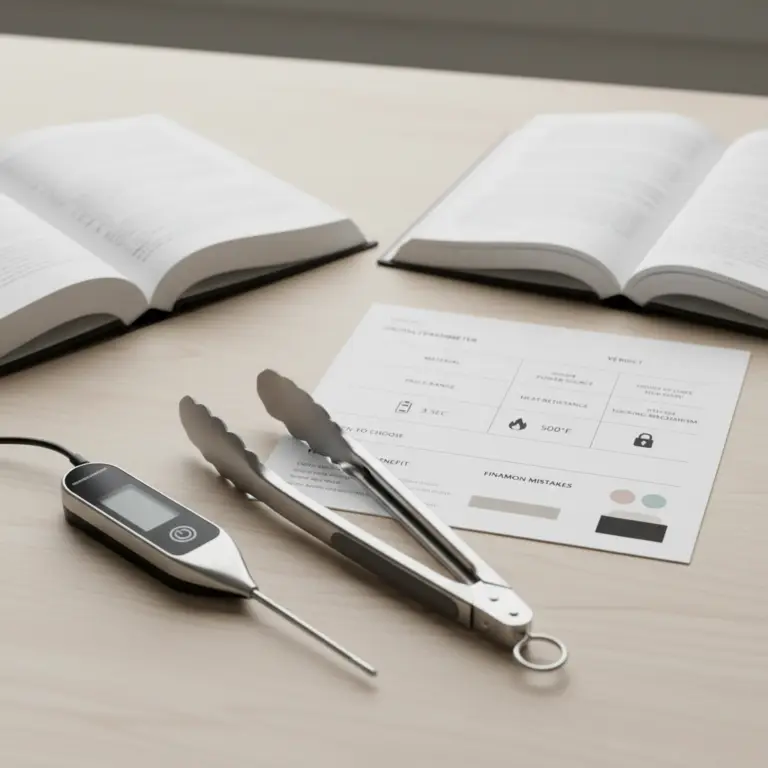
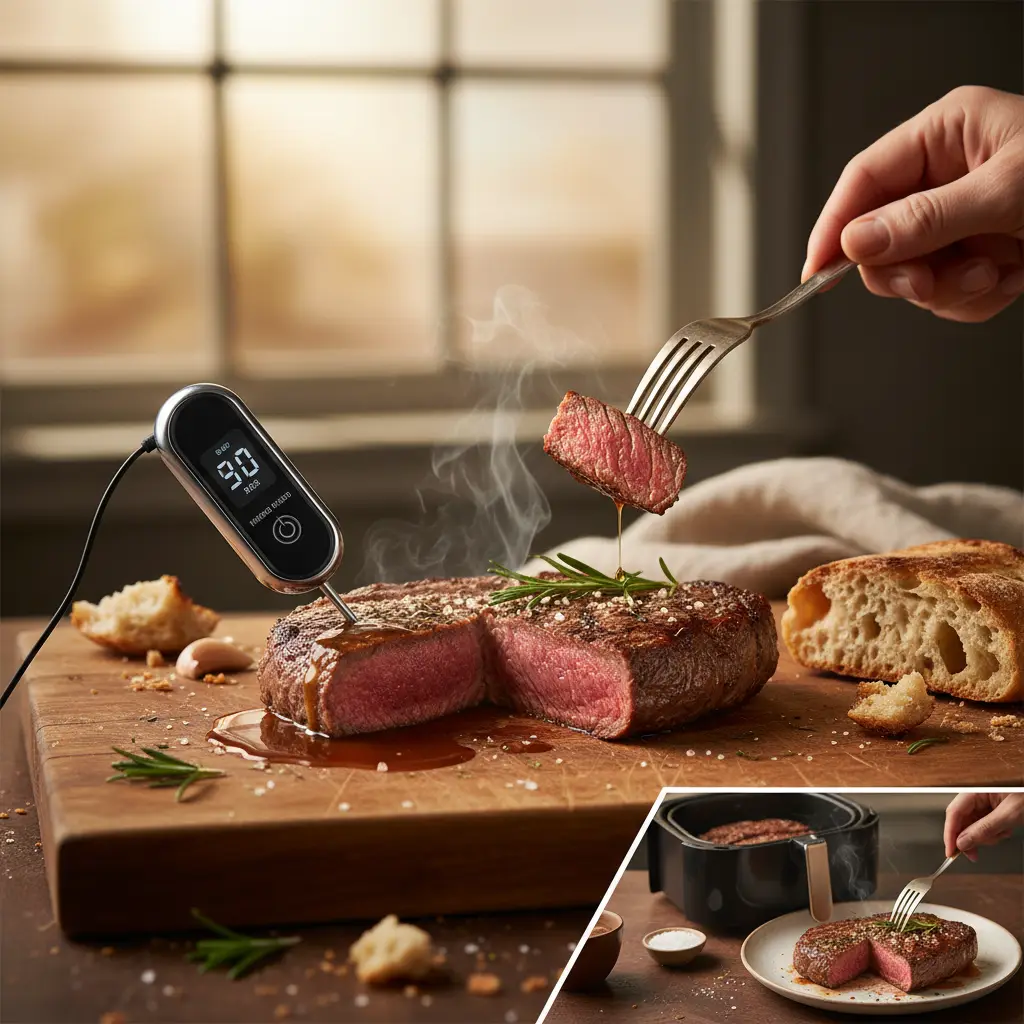
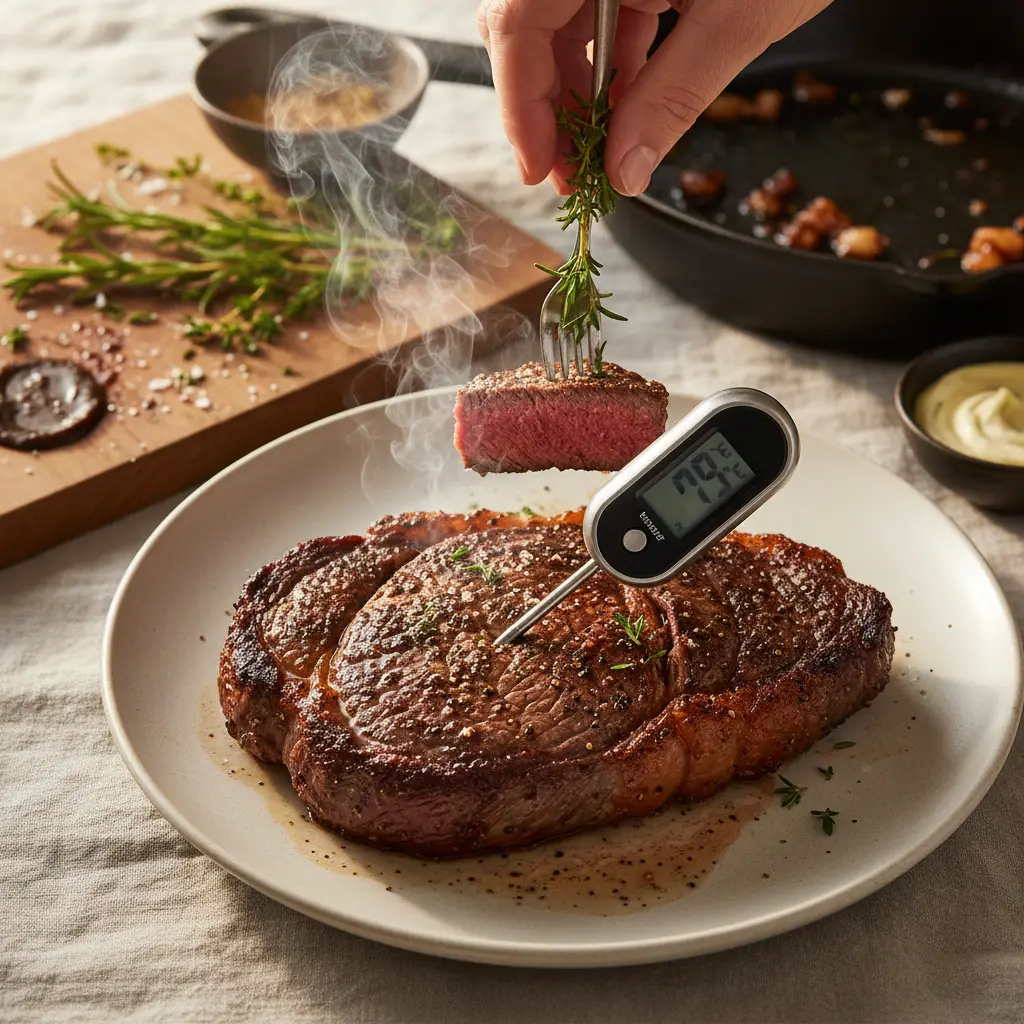
Stop guessing your steak's doneness and wasting $15 on overcooked meat. Using an instant-read thermometer in your air fryer guarantees 100% accuracy, helping you hit that ideal medium-rare every single time in under 12 minutes.
The Precise Sear Method: in practice
Why the Thermometer is Non-Negotiable
Air fryers circulate heat differently than a cast iron skillet. A thermometer removes the guesswork caused by varying air fryer models.
Precision saves money. You won't ruin a $20 ribeye by leaving it in for an extra 2 minutes.
- Prevents overcooking thin cuts.
- Ensures food safety for thicker steaks.
- Provides consistent results every time.
Setting Up Your Air Fryer
Preheating is the most skipped step. Run your air fryer at 400°F for at least 3 minutes before placing the steak inside.
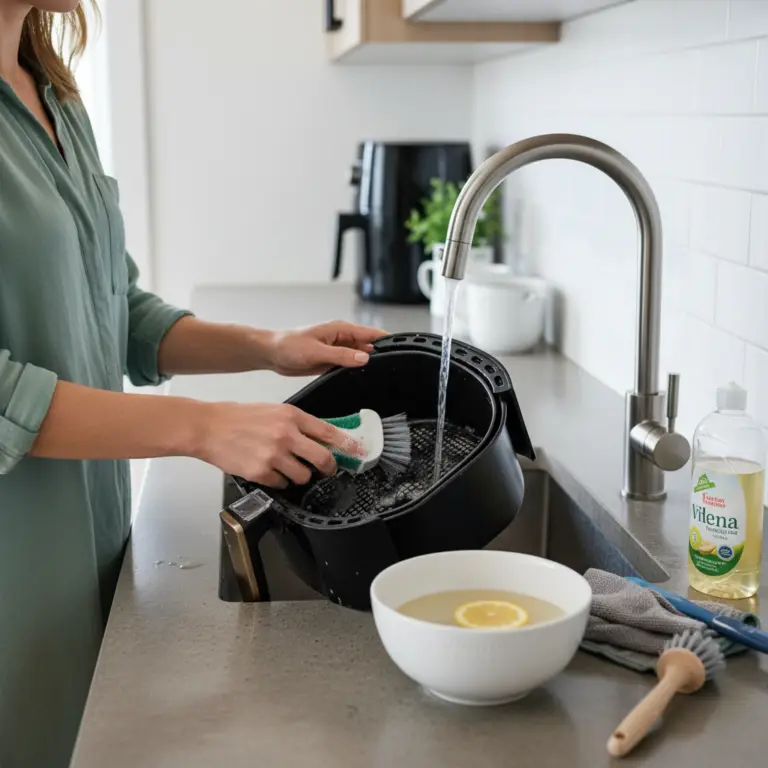
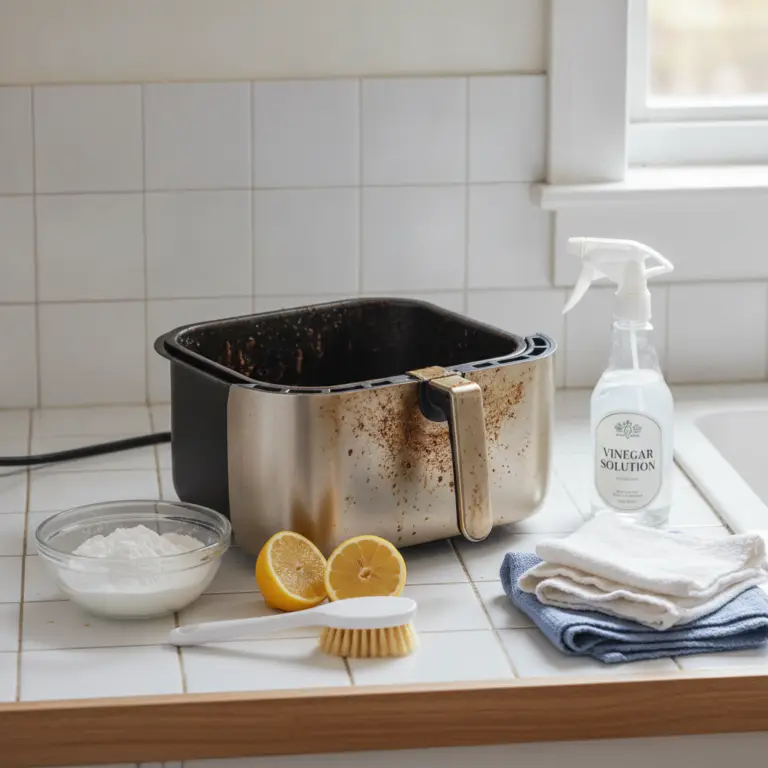
Ensure your air fryer basket is clean. Any leftover grease can smoke heavily at these high temperatures.
- Use high-smoke point oil like avocado oil.
- Keep the steak dry with paper towels.
- Do not overcrowd the basket space.
Mastering Internal Temps
Different preferences require different pull temperatures. Always account for the 5-degree carryover cooking while resting.
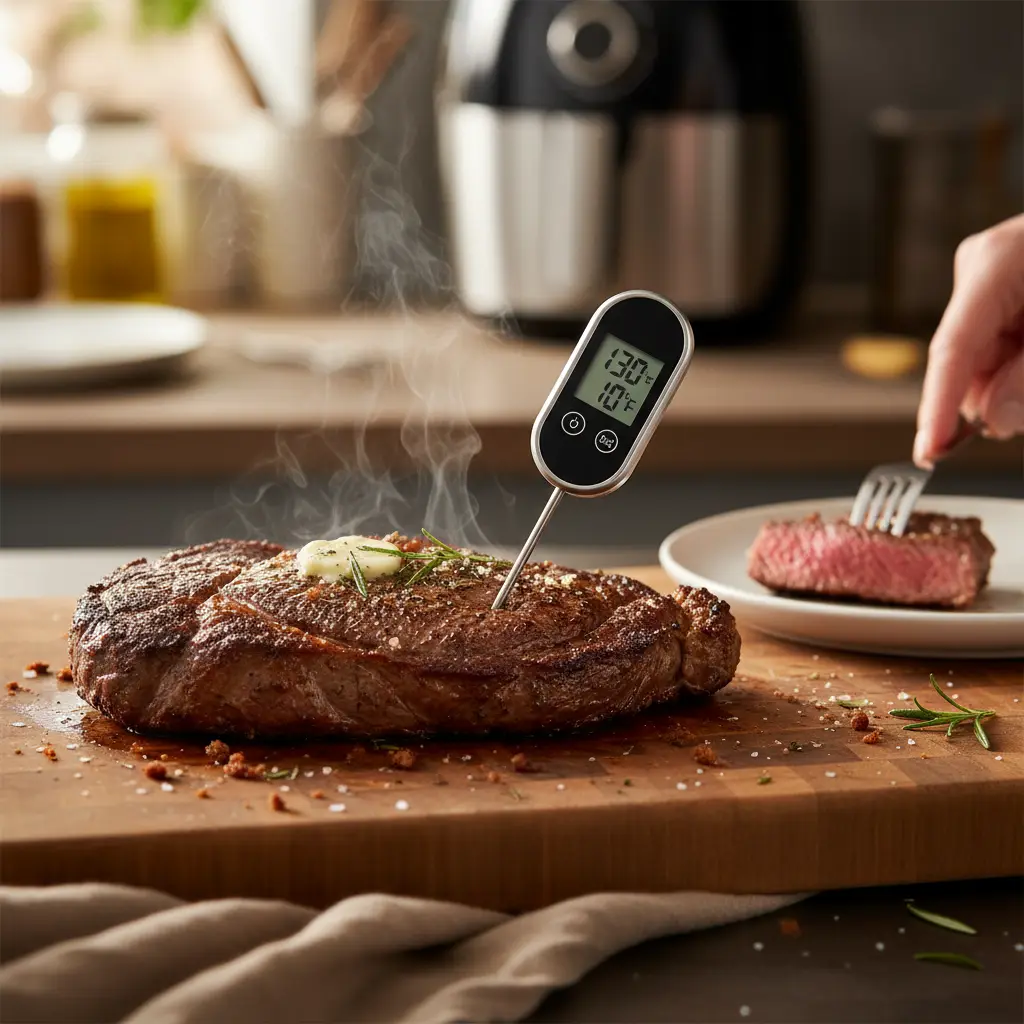
Medium-rare is the gold standard for most steaks. Aim for 130°F final temperature after resting for 5 minutes.
- Rare: 120°F pull temperature.
- Medium: 140°F pull temperature.
- Well Done: 160°F pull temperature.
Pros and honest limits
- Guaranteed doneness every time
- Saves expensive cuts of meat
- Reduces cooking stress
- Requires an extra tool
- Requires cleaning the probe
- Slight learning curve
Troubleshooting Common Issues
If your steak is browning too fast but the center is cold, lower the heat to 375°F. This allows the heat to penetrate deeper.
Always let the steak rest on a cutting board. Cutting too soon causes the juices to leak out, resulting in dry meat.
- Flip halfway through the cooking time.
- Use tongs to avoid piercing the meat.
- Check calibration of your thermometer.
Practical comparison
| Method | Accuracy | Effort |
|---|---|---|
| Visual Check | Very Low | Low |
| Timer | Low | None |
| Thermometer | Very High | Medium |
Frequently asked questions
Can I leave the thermometer in the steak while air frying?
Only if your thermometer probe is specifically rated for high-heat oven use. Standard probes may melt or get damaged in the air fryer.
How long should I rest the steak?
Always rest your steak for at least 5 minutes. This allows the muscle fibers to relax and redistribute the juices.
What is the best temperature for an air fryer steak?
I prefer 400°F for a great sear. If the steak is thicker than 1.5 inches, drop it to 375°F to ensure it cooks evenly.
Conclusion
Using a thermometer changes everything for home cooks. You will stop worrying about overcooked steak and start enjoying restaurant-quality results in your own kitchen. Grab your probe and try this method tonight.
RSS
Related reading
How to tell it is done (without opening and poking every minute)
- Edges brown before the middle: start checking 3 minutes early, always at the centre of the piece.
- Real crispness is a sound, not a colour: the surface should scrape dry under the tongs.
- 3.2–5.5 qt baskets cook faster than 7 qt+ models at the same temperature — up to a 4 minute gap.
- Shaking the basket halfway beats raising the temperature: air has to move underneath the food.
- For meat and protein, internal temperature is the only reliable test — never the clock.
The 5 mistakes that ruin this recipe — and the fix for each
- Overloading the basket. Air stops circulating and everything steams. Cook in two batches: double the time, but you get crunch.
- Skipping the preheat. Three minutes of preheat changes crust formation. Without it the surface dries before it browns.
- Wet food. Pat dry with paper towel. Surface water turns to steam, and steam blocks crust.
- Too much oil. In an air fryer, more oil means more smoke, not more crunch. A light spray is enough.
- Never cleaning the element. Baked-on grease burns and pushes a bitter taste into the next recipe.
Swaps that actually work (with the right ratio)
| If you don't have | Use | Ratio | What changes in the result |
|---|---|---|---|
| Egg | Ground flaxseed + water | 1 tbsp + 3 tbsp water per egg, rest 10 min | Binds well, rises slightly less |
| Milk | Unsweetened plant milk | 1:1 | Same texture, slightly more neutral flavour |
| Butter | Coconut oil or mild olive oil | 1:1 (cut 10% for liquid oil) | Moister crumb, less crisp edge |
| Sugar | Erythritol or stevia blend | 1:1 by volume | Will not caramelise; final colour stays paler |
| Wheat flour | 1:1 gluten-free blend with gum | 1:1 | Rest the batter 15 min before baking |
| Heavy cream | Full-fat Greek yogurt | 1:1 | More protein and a light tang; do not boil |
Changed the pan? Adjust the time like this
| Original pan | Equivalent | Time adjustment | Watch out for |
|---|---|---|---|
| 8" round | 8×8" square | Same time | Square corners bake faster |
| 9" round | 9×13" pan | −5 to −8 min | Thinner batter, check early |
| Loaf pan | 6 jumbo muffin cups | −15 to −20 min | Cupcakes bake far faster |
| Deep casserole | Two shallow dishes | −10 min | Spreads the heat and prevents a raw centre |
Store, freeze and reheat without wrecking the texture
| Where | How long | How to store | How to bring it back |
|---|---|---|---|
| Fridge | 3–4 days | Leave uncovered 10 min before sealing | Air fryer at 350 °F for 3–4 min, no oil |
| Freezer | Up to 2 months | Freeze spread out, then bag | Straight from frozen, 350 °F for 6–8 min |
| Counter | Up to 4 hours | On a rack, never in a sealed box | Trapped steam kills the crunch |
Frequently asked questions
Can I make Air Fryer Thermometer for Perfect Steak: 3 Steps to Mastery ahead?
Yes. Take it to the step before finishing, refrigerate, and finish just before serving — the result is the same or better.
Can I double the recipe?
Yes. Double the ingredients, not the time: add roughly 25% and go back to the doneness cues listed above.
What is the real yield per serving?
Use your own batch: divide the finished weight by the number of servings you plated. Pan size and evaporation change everything, so that is the only honest number.
Does it work in any air fryer?
Yes, but smaller baskets cook faster. Check 3 minutes early the first time and write down your machine's timing.
How well do leftovers keep?
Very well, following the storage table above. Freeze in flat portions: they thaw evenly and hold their texture.