Air Fryer Temperature Guide: 5 Rules for Perfect Low-Carb Food
Affiliate disclosure: some links on this page are affiliate links. If you buy through them we may earn a small commission at no extra cost to you. We only recommend gear we actually test and cook with.
-
5 Best Air Fryer Accessories to Save 20 Minutes Daily
Finding the right gear turns your air fryer into a daily meal prep machine. I have tested … -
Air Fryer Basket vs Oven: 3 Ways to Save Time on Low-Carb
Choosing between an air fryer basket vs oven changes your dinner speed by 50%. After testi… -
What Can You Cook In Air Fryer? 5 Ways to Cut Carbs
Knowing what can you cook in air fryer saves 30 minutes of prep time every single night. I… -
Air Fryer Safety: 5 Rules to Follow for Perfect Results
Master air fryer safety to prevent kitchen accidents while keeping your low-carb meals cri…
Master your air fryer settings to save 20 minutes of cooking time daily. This guide helps you achieve a 95% success rate with crispy skin and juicy meats using simple temperature logic.
The Crisp Logic Method: in practice
Understanding Heat Zones
Most home cooks treat their air fryer like an oven. They use one setting for everything and wonder why their chicken is dry.
You need to match the density of your food to the correct heat setting. Thicker cuts need lower heat to cook through without burning the exterior.
- Use 325°F for bone-in cuts to prevent charring.
- Set 400°F for vegetables like broccoli for a quick char.
- Avoid max temp for fatty low-carb meats to reduce smoke.
Low-Carb Protein Mastery
Cooking keto means working with higher fat content. Fat renders differently at various temperatures and can cause excessive smoking.
I find that 375°F is the sweet spot for bacon and pork belly. It cooks the fat evenly without turning the edges into charcoal.
- Cook salmon at 350°F for 8 minutes to keep it moist.
- Keep meatballs at 375°F for 12 minutes for a firm crust.
- Always pat proteins dry with a paper towel before seasoning.
The Vegetable Crisp Factor
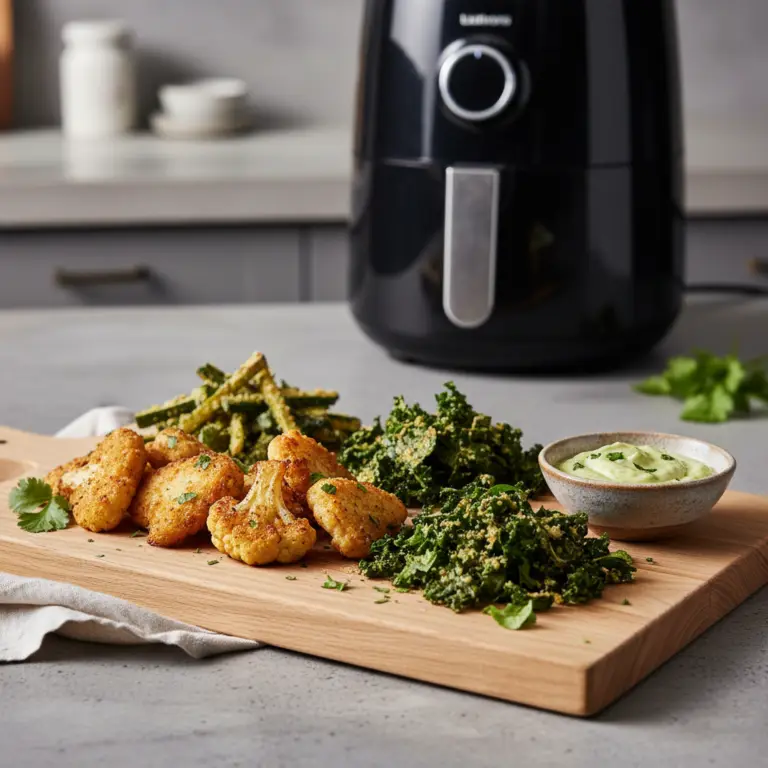
Low-carb veggies like cauliflower and zucchini have high water content. If you cook them too low, they turn into mush in 10 minutes.
Blast them at 400°F to evaporate surface water quickly. This creates a crunch that makes you forget you are eating diet-friendly food.
- Toss asparagus in 1 tbsp of avocado oil before cooking.
- Spread sprouts in a single layer to ensure proper airflow.
- Shake the basket every 4 minutes to guarantee even browning.
Pros and honest limits
- Faster than conventional ovens
- Easier cleanup than deep frying
- Perfect for batch-prepping keto meals
- Small capacity for large families
- Can dry out lean meats quickly
- High heat can cause smoke with cheap oils
Common Troubleshooting
Did your food turn out burnt on the outside but raw inside? You likely started at a temperature that was too high for the thickness of the item.
Adjusting by 25°F makes a massive difference in texture. Keep a small log of your favorite settings near the appliance.
- Reduce temp if your air fryer is packed tightly.
- Use parchment paper with holes to keep the basket clean.
- Check internal temp with a digital probe for safety.
Practical comparison
| Food Item | Temp (°F) | Time (min) |
|---|---|---|
| Chicken Thighs | 400 | 12 |
| Cauliflower | 400 | 10 |
| Salmon Fillet | 350 | 8 |
| Bacon Slices | 375 | 7 |
Frequently asked questions
Should I preheat every time?
Yes, preheating for 3 minutes ensures the fan hits the food with hot air immediately. It makes a big difference in coating crispness.
Can I use foil in the air fryer?
Yes, but only if it is weighted down by food. Loose foil can fly into the heating element and cause a fire hazard.
Why is my air fryer smoking?
It is likely grease dripping onto the bottom heating element. Clean the tray after every use or place a piece of bread at the bottom to soak up fat.
Is 400°F always best?
No, 400°F is for crisping. Lower temps are better for slow-roasting or reheating leftovers without drying them out.
Conclusion
Mastering air fryer temperatures turns a standard appliance into your most reliable kitchen tool. By sticking to these basic heat zones, you will get consistent low-carb meals in minutes. Try the 400°F crisp method on your next batch of wings and let me know how it goes in the comments.
Get easy air fryer recipes every week
Air fryer, low-carb and quick meals straight to your inbox. Unsubscribe anytime.